
01
Site Preparation & Cuts
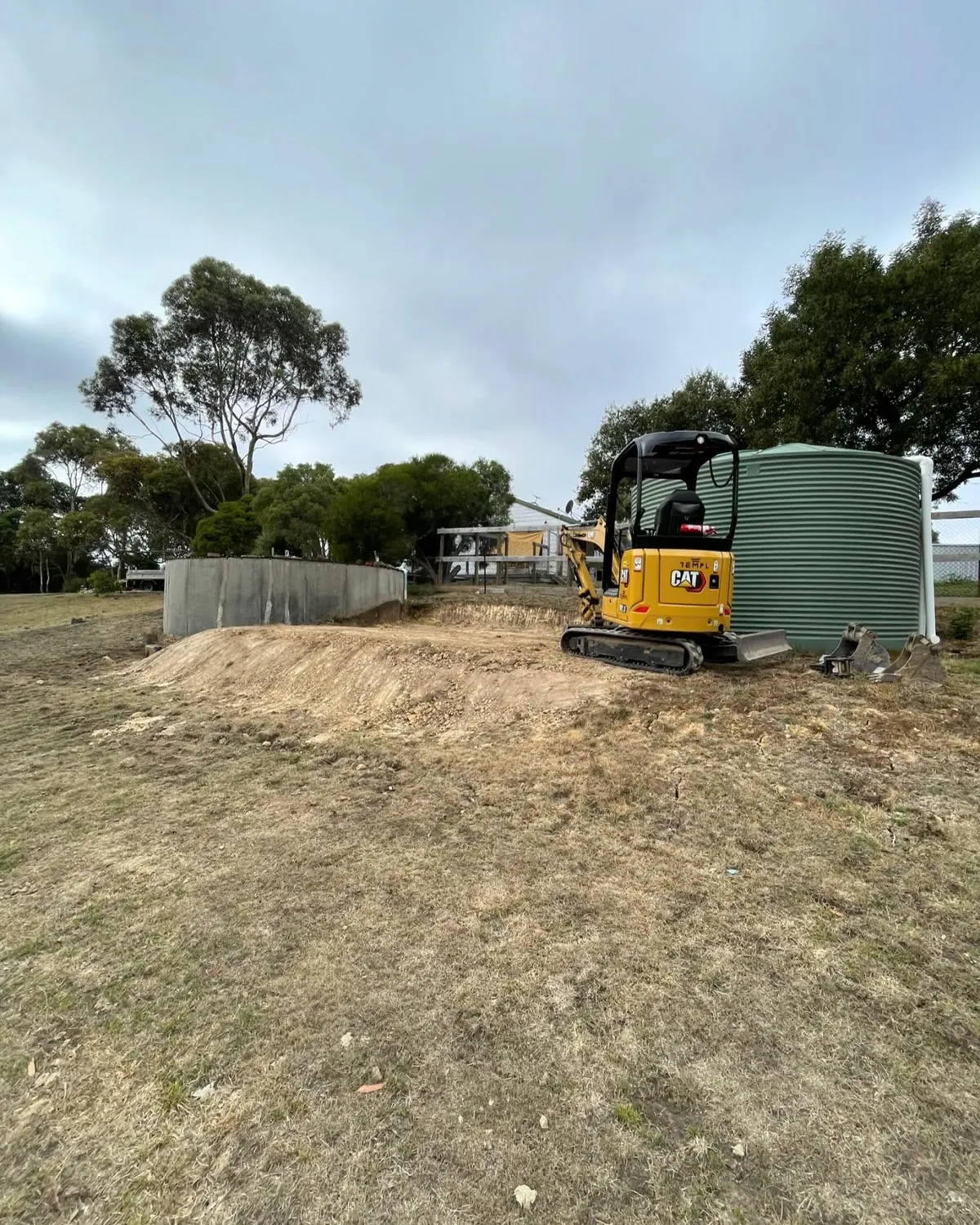
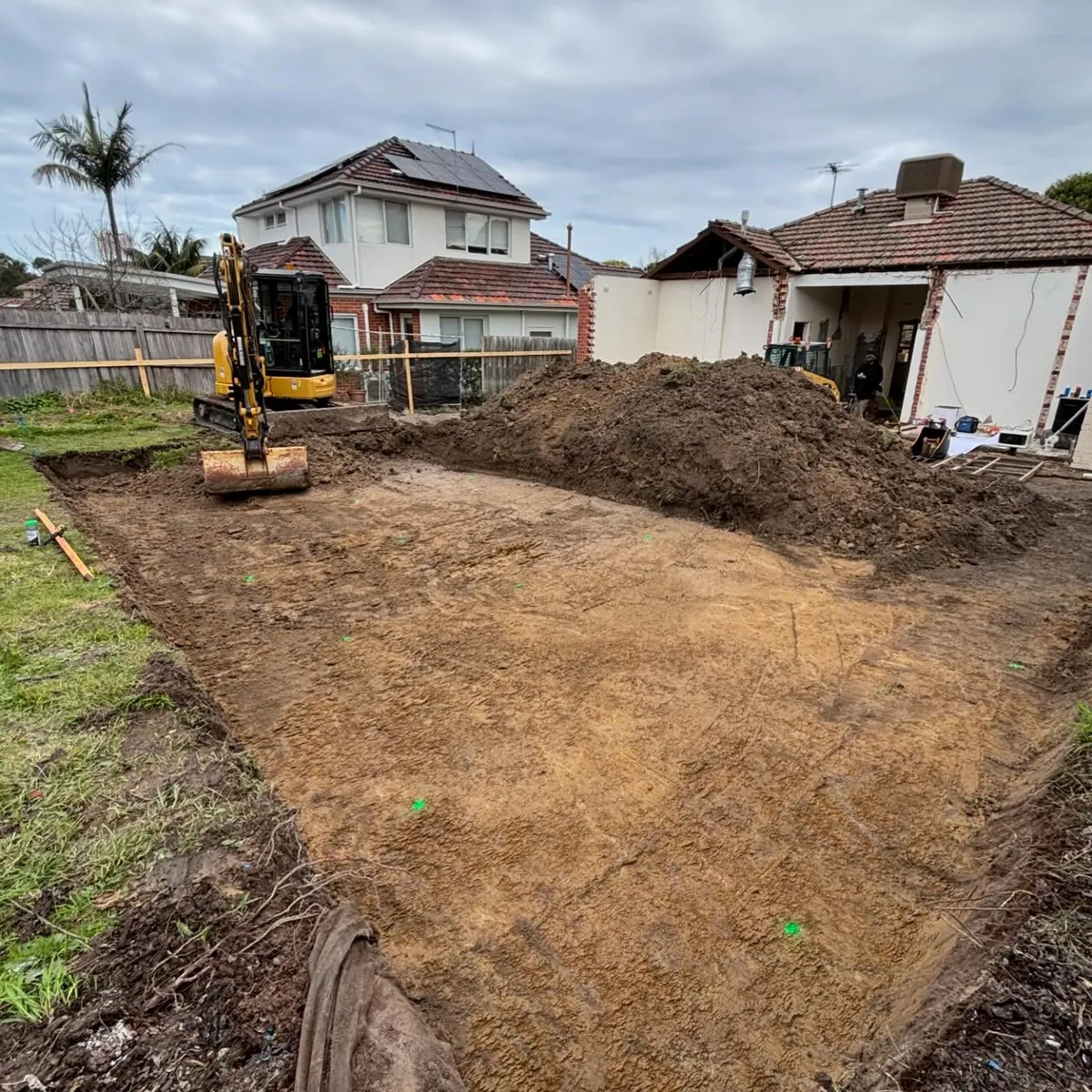
Strip, cut and level the pad. Residential blocks, multi-unit sites, commercial pads. Machines sized to the access.
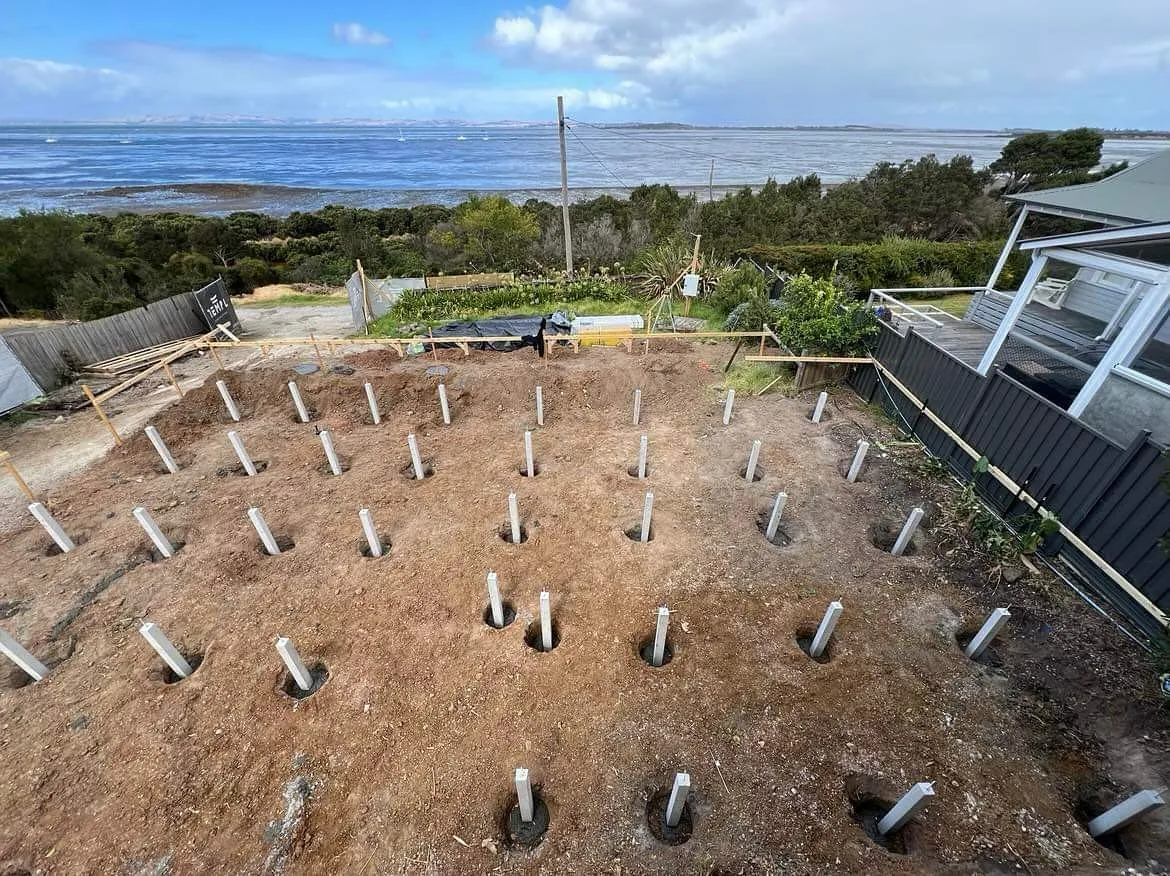
Clyde North is one of the fastest-growing pockets in the south east, and every one of those blocks needs cutting and trimming before a slab can go down.
Clyde North is almost entirely new estate building, so the job is the same shape every time: strip the topsoil, cut the block to plan, form the batters, trim the pad. The variable is the levels, and those come off the drawings.
We run enough of these that the process is settled, which is what keeps them quick. Cut, trim, cart the surplus, off the block.
Clyde North estates are built on placed fill, and the depth of it varies lot to lot even within a release. That is the thing worth checking before the cut, because it changes what sits under the pad.
Strip, cut and level the pad. Residential blocks, multi-unit sites, commercial pads. Machines sized to the access.
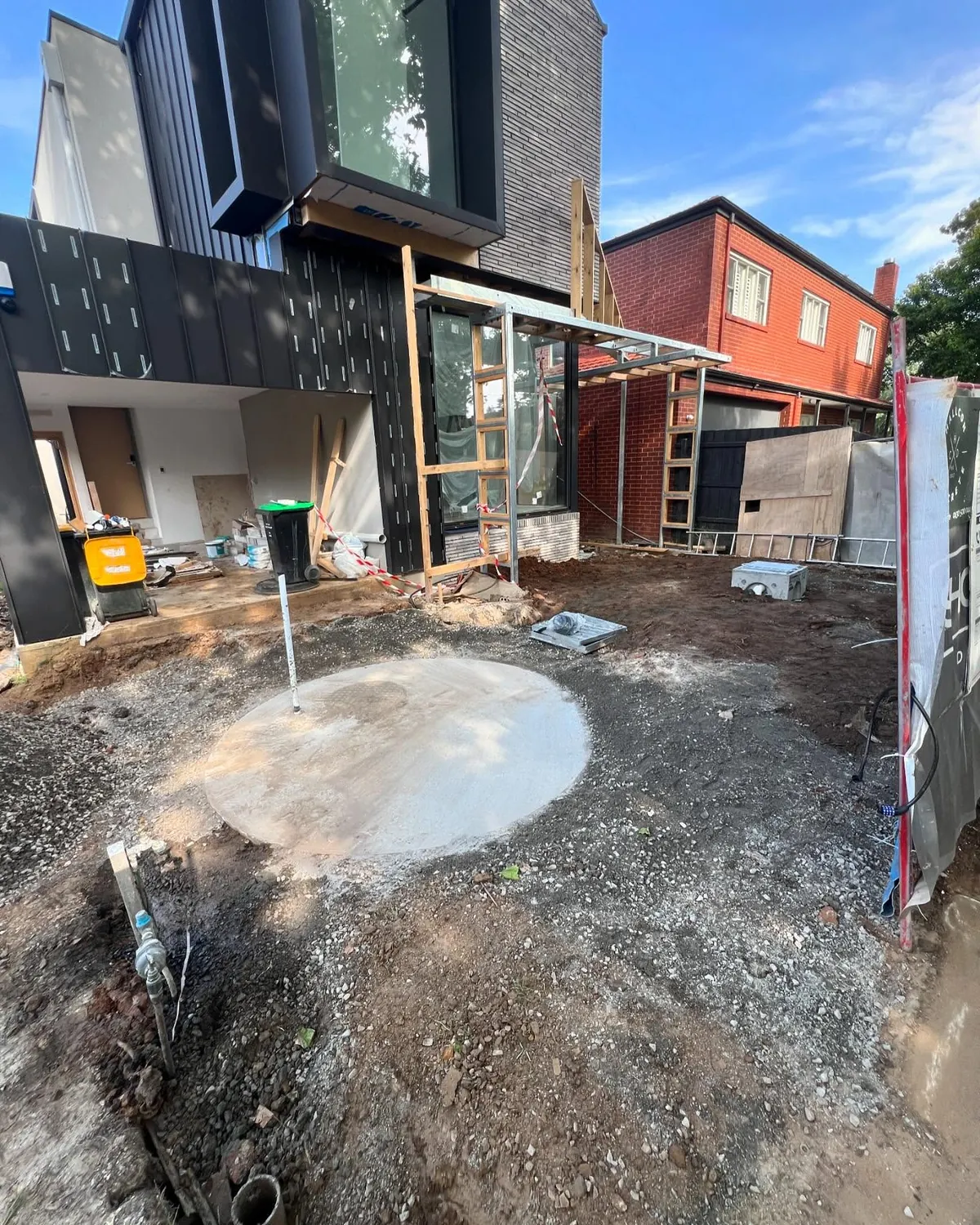
Final trim to spec. Concrete pads, footings, driveways, paving. Tight tolerances so the slab pour lands where it should.
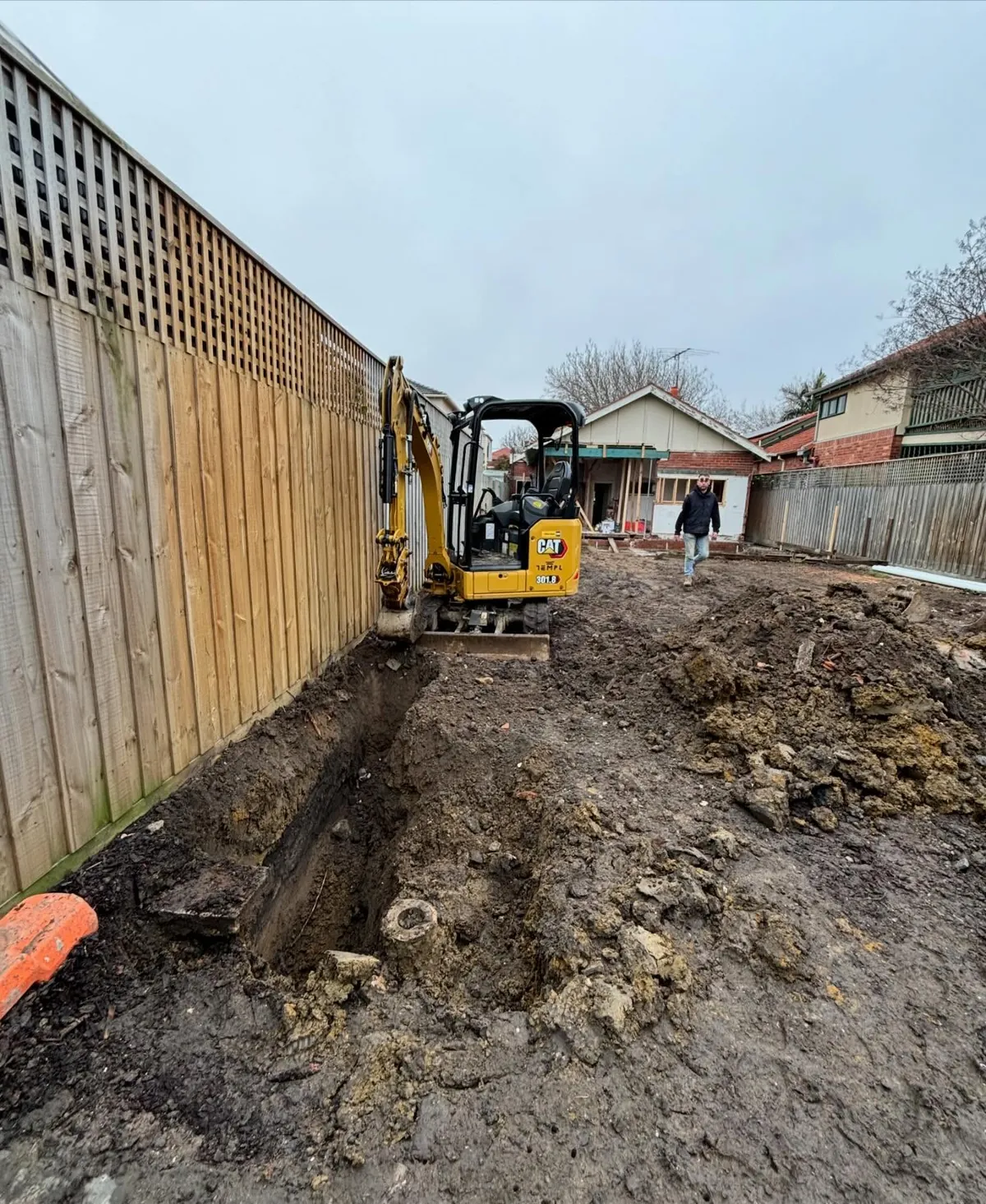
Clear structures, old slabs, vegetation and rubbish. Sort what can be recovered, cart away what can't. Site tidy when we leave.
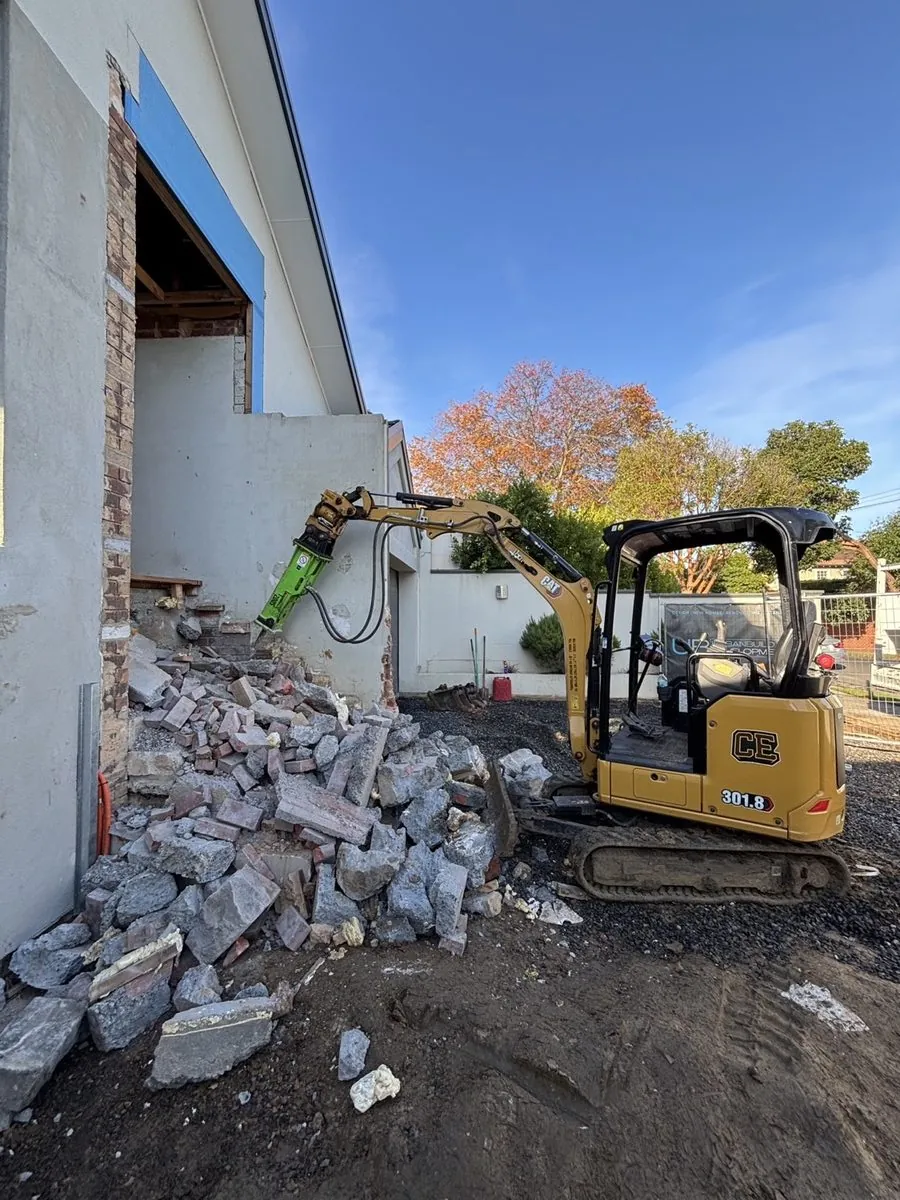
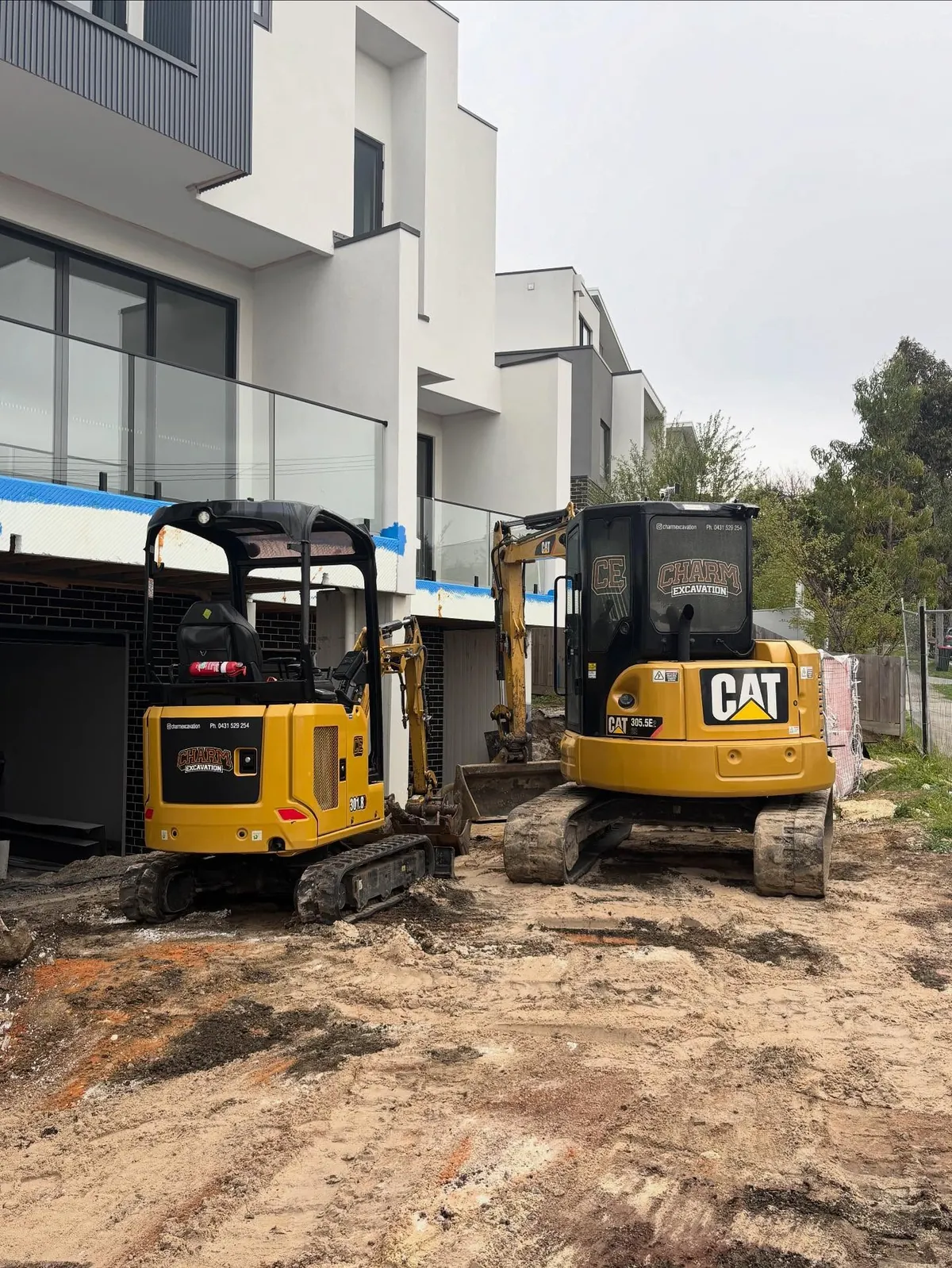
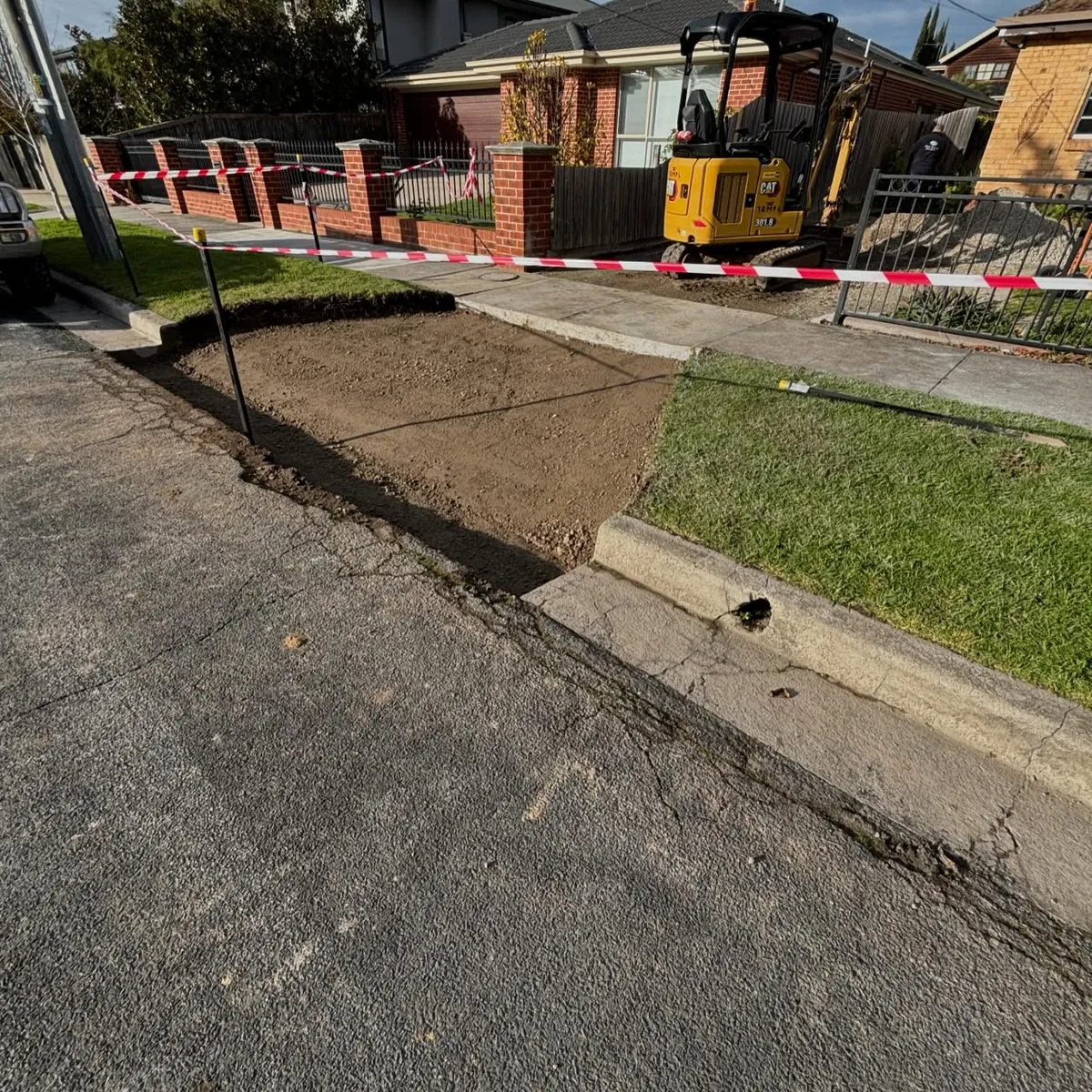
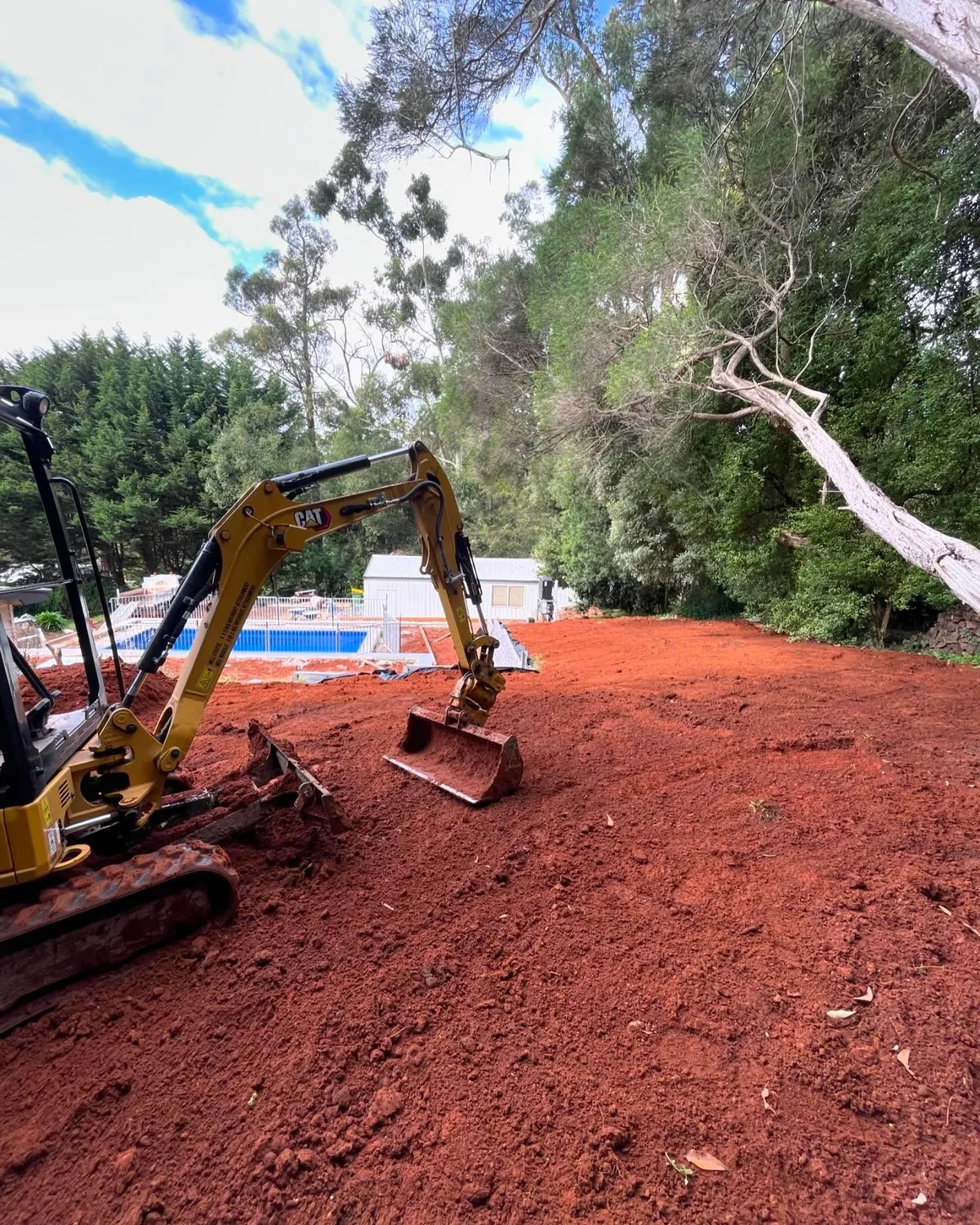
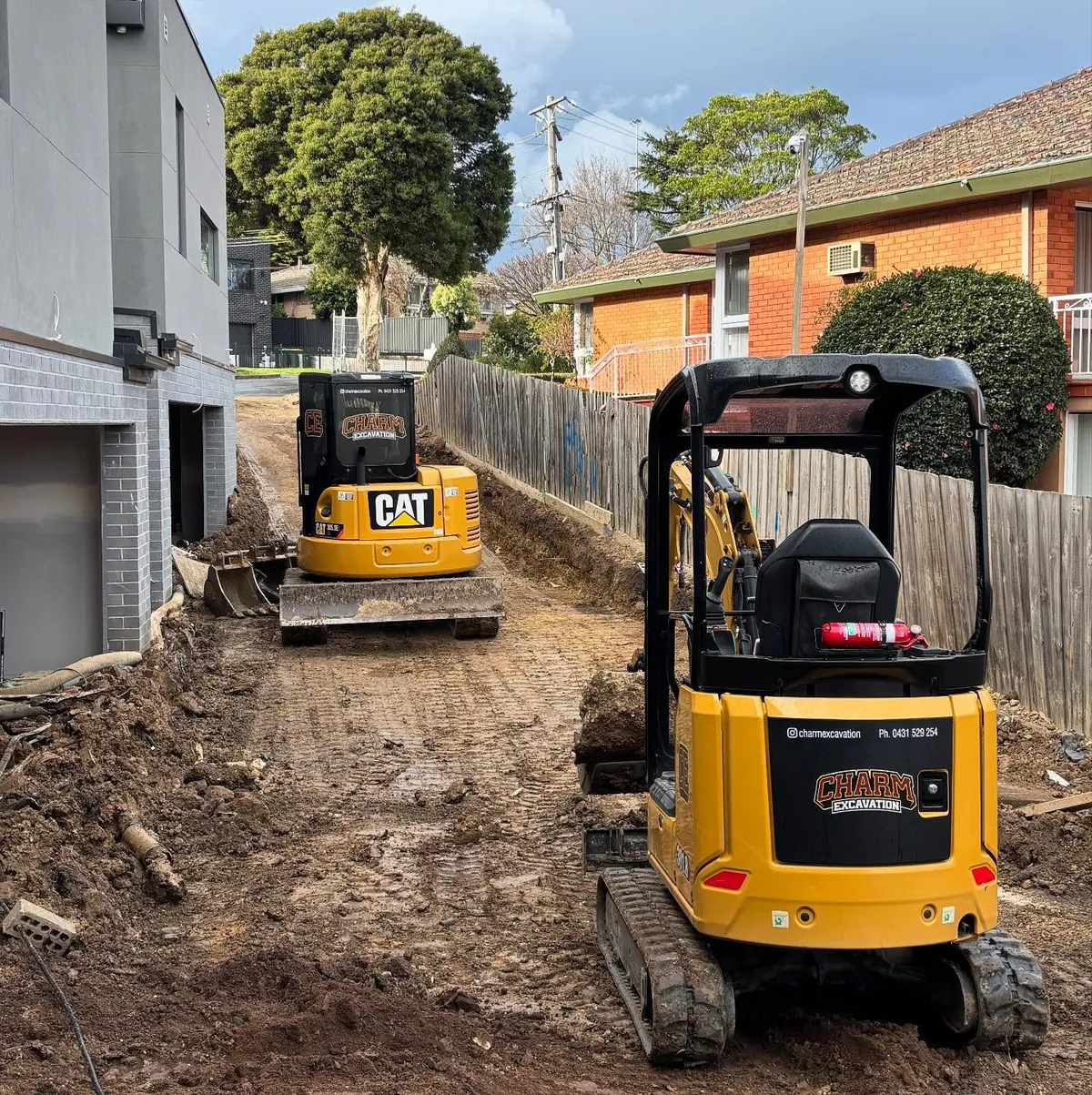
Clyde North is the growth corridor at full speed: titled lots coming off the developers along Thompsons Road, Berwick-Cranbourne Road, Pound Road and Grices Road, and a builder waiting on every one of them. Nothing here has an old house to take out, so the entire job is getting the pad to the engineer's levels on the day it is needed.
A Clyde North lot arrives with a soil report, a cut and fill plan from the developer and a builder's site plan showing the finished floor level. The developer has usually already moved a lot of dirt to get the estate to its road levels, which is why one lot can be sitting on a metre of placed fill and the one next door on natural ground.
We read the plan before the cut so the pad is not sitting on something the slab engineer did not allow for.
The ground out here is heavy reactive clay, and Clyde North soil reports routinely come back Class H1 or H2, which is a large part of why the slabs cost what they do. That clay swells when it is wet and shrinks when it dries, so the site cut has to match the report: strip the topsoil to the depth it says, cut to the levels, and compact any fill under the pad properly rather than pushing loose dirt into a low corner.
A pad that is cut short or built on soft fill is where slab movement starts, and it shows up long after we have left.
New estates run to rules. The road has to stay clean, so mud tracked out of the lot is a problem for the builder and for us, and sediment control stays in place while we are cutting. The City of Casey wants an asset protection permit in place before building works start, because the kerb, footpath and crossover are council assets and a loaded truck over them is the most likely thing to break them.
The lots either side are usually at some stage of a build too, so where the spoil goes and how the truck gets in and out is worked out before the day, not on it.
Also in Clyde North: excavation and earthmoving and civil and drainage.
Yes. Clyde North is part of our regular run, and estate site cuts are the bulk of what we do out here.
We try to. Site prep is early on the critical path, so the more notice we have of your slab date the easier it is to land the pad when you need it.
Yes. Where a block needs battering or benching to hold the cut, that is formed as part of the same job rather than left for someone else.
It changes what the cut has to hit rather than how we do it. The slab has been designed for the ground in that report, so we strip to the depth it calls for, cut to the plan levels and compact any fill under the pad. Getting that right on a Class H site matters more than on sand, because the clay moves with the seasons and a short cut shows up as slab movement later.
Owner-operated clearing, site cuts and demolition from our Keysborough base. Pick your suburb for local detail, or call Dylan direct on 0431 529 254.